
Discover why polyolefin is the most sustainable heat shrink tubing. Learn how its non-toxic, long-lasting, and recyclable properties stack up against PVC and PTFE (Teflon™).
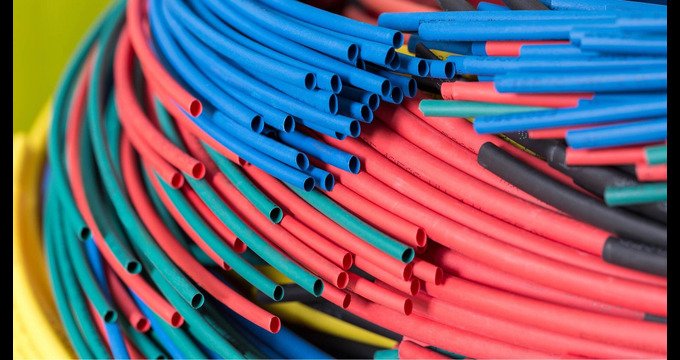
In today's electrical industry, selecting materials based on sustainability is just as critical as ensuring high performance. When evaluating heat shrink tubing, the environmental impact of popular materials like polyolefin, PVC, and PTFE (Teflon™) varies significantly. Overall, polyolefin tubing shines as the most environmentally friendly and sustainable option.
In this blog, we'll dive into the environmental impact and sustainability of polyolefin tubing compared to alternatives like PVC and PTFE so that you can make your choice of heat shrink tubing an eco-conscious one.
What Is Polyolefin Tubing?
To understand what makes polyolefin heat shrink tubing a more sustainable choice, it helps to understand what it is and where it comes from.
Polyolefin is composed of hydrogen and carbon bonds and is typically made from polypropylene (PP) or linear low-density polyethylene (LLDPE). It's non-toxic and non-corrosive, and its fast and uniform shrinking capabilities make it a top choice for heat shrink tubing.
Characteristics of Polyolefin Tubing
The tubing used to insulate, bundle, and protect electrical components needs to be highly durable and strong. Polyolefin tubing offers several advantages, including:
-
Flexibility: Polyolefin tubing can easily bend, stretch, and twist without tearing or losing its shape, and it's significantly more flexible than PVC or PTFE tubing.
-
Heat resistance: A key benefit of polyolefin tubing is its ability to withstand high heat and exposure to flame. Polyolefin heat shrink tubing has an operating range of -55°C to 135°C, with shrink typically happening around 90°C.
- Durability and long service life: Crucially, polyolefin's flexibility, flame retardancy, and heat and chemical resistance make it highly durable. Polyolefin can withstand harsh environmental exposure and rigorous daily use, giving it a long service life and reducing the need for frequent replacement.
- Diverse heat shrink ratios: Polyolefin heat shrink tubing offers higher shrink ratios compared to other materials, which makes it ideal for covering nonstandard shapes or large connector-to-cable size differences. Electro Insulation's polyolefin tubing is available in standard 2:1 and 3:1 shrink ratios, as well as larger 4:1 and 6:1 ratios.
Polyolefin's Environmental Impact
Polyolefin has revolutionized many industries, from healthcare to food packaging. Because polyolefin is so versatile and durable, production has ramped up significantly in the past decade. Like all industrial plastics, polyolefin production raises environmental concerns, including fossil fuel reliance, microplastics, and energy consumption.
However, polyolefin tubing is one of the most environmentally friendly heat shrink tubing options due to its long service life, non-toxicity, and recyclability.
Service Life & Failure Rates
Known for its high chemical resistance and mechanical strength, polyolefin is extremely durable and offers a longer service life compared to other tubing materials. It's a great choice for electrical insulation because it can bend and twist without fraying or breaking, and its high heat shrink ratio enables it to cover large or nonstandard shapes.
Polyolefin tubing's biggest sustainability advantage is that it will last longer and reduce the amount of waste that can often accumulate with other heat shrink tubing materials.
Toxicity
Compared to other heat shrink tubing materials like PVC or PTFE, polyolefin tubing is considered more eco-friendly to manufacture. This is because polyolefin does not release toxic chemicals or fluorine gas when produced or heated. Polyolefin tubing is non-toxic and halogen-free.
Recyclability and Circularity
While polyolefin tubing cannot be reused once shrunk, the material can be recycled. It's important to bring your used polyolefin tubing to the proper recycling facility — in many cities, specially designated plastic recycling centers accept polyolefins and other industrial plastics. The biggest issue is that the rates of polyolefin recycling are low. However, developing chemical recycling techniques are making this even easier.
Polyolefin vs. PVC vs. Teflon™: Sustainability Comparison
Compared to PVC and PTFE (Teflon™), polyolefin tubing shines in the sustainability realm.
PTFE is a fluorocarbon and part of a broad group of chemicals known as "forever chemicals." Heating PTFE above its recommended maximum temperature can cause it to break down and release toxic fumes.
PVC tubing contains chlorine and releases toxic hydrogen chloride gas when heated. And while PVC is recyclable in some areas, it's more difficult to recycle because it can contaminate other recycling if not strictly separated. This means some plastic recycling facilities do not accept PVC.
In applications that require high heat or in which toxic exposure is a concern, polyolefin tubing is the safer, more environmentally friendly choice.
Is Polyolefin Tubing Eco-Friendly?
The bottom line is that, when compared to other heat shrink tubing materials, polyolefin tubing offers the biggest benefits in terms of sustainability. With a higher temperature resistance and non-toxic composition, polyolefin tubing will not release harmful toxins or chemicals into the air when shrunk. The same can't be said for PVC or Teflon.
Polyolefin is also a circular product and can be recycled to produce more polyolefin tubing. Always check with your local recycling centers to make sure they accept polyolefin tubing.
Electro Insulation's line of polyolefin heat shrink tubing is RoHS-compliant, which means it adheres to the European Union's Restriction of Hazardous Substances Directive that limits toxic materials in electrical equipment.
If you need help selecting the right heat shrink tubing for your application, check out our Heat Shrink Tubing Selection Guide.
Order Premium Polyolefin Heat Shrink Tubing
For more than 60 years, Electro Insulation has been a leading distributor of high-quality polyolefin tubing. We offer a full suite of heat shrink tubing services, including cut-to-length tubing, hot stamp and thermal transfer tubing printing, custom packaging, and more.
Speak with an Electro Insulation representative today if you have questions about our polyolefin heat shrink tubing products, or request a quote online.
Frequently Asked Questions
How do I recycle polyolefin tubing?
While polyolefin tubing is widely recyclable, it cannot typically be recycled in standard residential recycling bins. Many retail stores, like Walmart and Home Depot, accept polyolefin for recycling. You can also search for plastic recycling centers in your city.
Is polyolefin safe?
Yes. Polyolefins are considered safe and non-toxic plastics. They can be used for food packaging and consumer products and do not leach harmful chemicals when heated.
Is polyolefin heat shrink tubing UV resistant?
Yes, polyolefin tubing is designed to withstand degradation, cracking, and fading from sun exposure. Polyolefin heat shrink tubing can be used safely outdoors without worrying about damage.